Clare
ClareDurdle Door is a magnificent natural limestone arch located along the Jurassic Coast in Dorset, England. This geological wonder is part of the Lulworth Estate and is a popular attraction for tourists and locals alike. Steeped in rich history and unique geology, the iconic structure draws visitors from around the globe, showcasing the beauty and diversity of England’s coastline.
The Jurassic Coast, a UNESCO World Heritage Site, stretches for nearly 100 miles and showcases an impressive lineup of geological features. Durdle Door is one of these breathtaking landmarks, situated near Lulworth Cove, another renowned attraction. Visiting Durdle Door provides a perfect opportunity to discover and experience nature’s wonders, all while enjoying the picturesque scenery of Dorset’s coastline.
Key Takeaways
- Durdle Door is a famous natural limestone arch on the Jurassic Coast in Dorset, England.
- The area offers stunning scenery and geological features for visitors to explore and appreciate.
- In addition to its natural beauty, there are various amenities and activities available nearby to cater to diverse interests.
Geographical Insight
Durdle Door is a stunning natural limestone arch situated along the beautiful Jurassic Coast in Dorset, England. This picturesque landmark is a UNESCO World Heritage Site and attracts thousands of visitors every year to admire its unique landscape.
The arch is a result of its geological formation, found on a concordant coastline where layers of rock run parallel to the shoreline. Durdle Door’s captivating structure is shaped by the contrasting hardness of the rocks and intricate patterns of faults and folds. Over time, the forces of erosion have worn away the softer rocks, leaving behind the more resistant limestone, which now stands almost vertically out of the sea forming the arch.
Visitors can enjoy breathtaking views of the mesmerising stone arch as they traverse the South West Coast Path. Known for its panoramic vistas, the path offers a fantastic opportunity to explore this fascinating geological feature up close. In addition to the arch, the surrounding area boasts a lovely beach, which is perfect for a leisurely stroll or a spot of sunbathing on a warm day.
As a natural monument, Durdle Door stands as a testament to the power and beauty of geological processes. Visitors not only have the chance to admire its magnificent landscape but also to learn more about the region’s rich geological history.
Here’s a brief summary of the key features:
- Formation: Natural limestone arch
- Location: Jurassic Coast, Dorset, England
- Significance: UNESCO World Heritage Site
- Visiting: Accessible via the South West Coast Path and nearby beach
- Geological processes: Erosion, faults, and folds in rock formations
Getting There
Visiting the iconic Durdle Door in Dorset is an exciting adventure, and reaching this beautiful site is quite convenient. Let’s dive into the various ways you can get there.
By Car: If you’re driving, most people will start at the Durdle Door Holiday Park. From there, it’s just a brief 10-15 minute walk to reach the stunning landmark. Don’t worry, there’s plenty of parking available at the Holiday Park, making it an easy and stress-free option.
By Train: If you prefer public transport, the closest train station to Durdle Door is Wool station. Upon arrival, you can take a taxi directly to Durdle Door, which will take approximately 10 minutes and cost around £15. Economy Taxis, based in Lulworth Cove, are a reliable choice (number: 07949 522533).
By Bus: Departing from London Victoria, you can catch a bus to Dorset. This is a great option for those travelling from the capital who’d rather sit back and enjoy the journey.
For the explorers, you may consider joining a group tour that takes in the beauty of Durdle Door and the neighbouring Lulworth Cove. Prices can start from just £35, making it an affordable way to see multiple sights in one day.
Remember to plan your visit accordingly, as access to the beaches is not permitted after 9pm or dusk. Whichever mode of transport you choose, have a fantastic time visiting the mesmerising Durdle Door, a true gem of the Jurassic Coast!
Accommodation and Amenities
Durdle Door, a stunning natural limestone arch on the Jurassic Coast, offers a range of accommodation options for visitors to enjoy. From the popular Durdle Door Holiday Park to charming cottages and Airbnb rentals, there is something to suit every traveller’s taste and budget.
The Durdle Door Holiday Park, nestled in the picturesque countryside of Dorset, provides a variety of lodging options. Visitors can choose from holiday homes, camping pods, and camping pitches. With 108 camping and touring pitches available, some with unbeatable sea views, it’s an ideal location for both families and individuals.
These are some of the main amenities for visitors at the holiday park:
- A well-stocked on-site shop
- Laundrette facilities
- Modern toilet block
- Bar and restaurant
Visitors to Durdle Door may find that the nearby Lulworth Cove, another enchanting coastal attraction, also offers a range of accommodation alternatives. Guests can book holiday homes or luxurious cottages through agencies like Dorset Coastal Cottages.
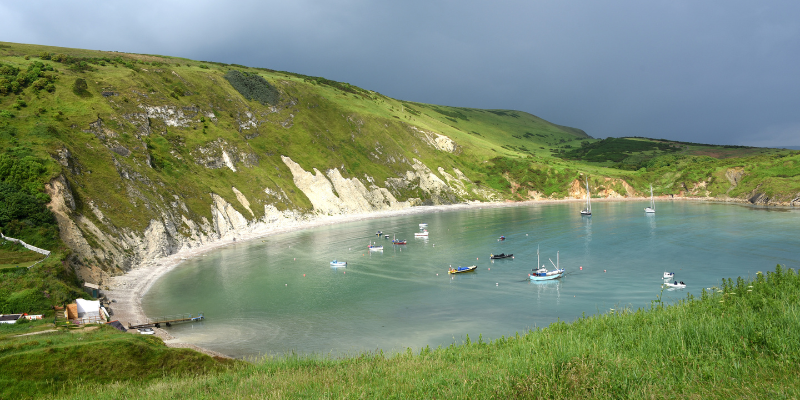
While staying in the area, guests have access to a myriad of facilities. For those who wish to camp, there’s a dedicated car park nearby and clean toilet facilities. For food enthusiasts, several restaurants offer delicious local delicacies.
Whether it’s a relaxing retreat or an action-packed holiday, Durdle Door and its surroundings cater to every need. With comfortable accommodations, excellent amenities, and a friendly atmosphere, it’s no surprise that visitors return to this beautiful location time and time again.
Activities and Attractions
The picturesque location is perfect for those looking to explore the great outdoors, indulge in a bit of local history, or simply relax on the beach with friends and family.
One of the most popular activities at Durdle Door is walking. The area offers scenic coastal walks that provide stunning views of the arch and its surroundings. The South West Coast Path takes you right by Durdle Door and leads to other nearby attractions such as Stair Hole, a small cove with fascinating rock formations, and the lovely Man O’War Beach. Just remember to wear comfortable shoes and bring a camera to capture the awe-inspiring views!
Visitors can also swim or relax on Durdle Door Beach. The beach is accessed by descending a series of steps carved into the cliffside, making it a rewarding destination for those who don’t mind the brief workout. Once there, you can unwind and soak up the sun or take a refreshing dip in the clear, turquoise waters.
Besides the captivating natural scenery, there are many other things to do in the vicinity of Durdle Door. Here are a few nearby attractions worth exploring:
- The Tank Museum: Located in Bovington, this museum houses a vast collection of armoured vehicles and offers interactive exhibits detailing the history of tanks and their crews.
- Corfe Castle: A striking ruin perched atop a hill in the village of Corfe, this 11th-century castle offers panoramic views of the surrounding countryside and hosts various family-friendly events throughout the year.
- Old Harry Rocks: Magnificent chalk formations rising from the sea at the eastern end of the Jurassic Coast, these rocks can be enjoyed up close via boat trips or admired from the clifftop.
- Tyneham: A well-preserved, abandoned village since WWII that can be visited on select weekends, offering a glimpse of its rich history along with pleasant walks along the coast.
In addition to independent exploration, visitors may opt for guided tours to truly appreciate the beauty and history of Durdle Door and its surrounding areas. From mini-coach tours of Lulworth Cove & Durdle Door to coasteering adventures that let you explore the coast by land and sea, you’ll find options for all interests and skill levels.
With numerous activities and attractions, Durdle Door offers a memorable experience for nature lovers, history buffs, and beachgoers alike. Don your walking shoes, pack a picnic, and get ready for a delightful day out in this gem of Dorset’s spectacular Jurassic Coast.
Weather and Best Time to Visit
The weather at Durdle Door varies throughout the year. During the spring months (March to May) and the autumn months (September to November), the temperatures can be quite mild, making these seasons ideal for exploring the area without encountering the large crowds of summertime. In contrast, winter sees colder temperatures with the possibility of rain or snow.
- Average Spring Temperatures: 10 – 15°C
- Average Autumn Temperatures: 9 – 14°C
- Average Winter Temperatures: 3 – 8°C
- Average Summer Temperatures: 16 – 21°C
Visitors looking to enjoy the outdoors and perhaps even take a swim in the sea should plan their visits for the summer months, from June to August, despite the potential for larger crowds. The beach at Durdle Door features sand and pebbles, making it a lovely spot to relax and soak up the sun. However, it is essential to keep in mind that Durdle Door’s car park near the Holiday Park is open from 1st March to 31st October, so ensure your visit falls within these months.
In summary, the ideal time to visit Durdle Door depends on personal preferences. Opt for spring or autumn for a compromise between pleasant temperatures and avoiding the busiest crowds, or choose summer for sunbathing and swimming opportunities, albeit with potential holidaymakers at the site.
Photography Insights
When photographing Durdle Door, the view can vary greatly depending on the weather and time of day. On stormy afternoons, photographers might find the waves crashing onto the shore, which can result in a dramatic contrast between the rough sea and the smooth beach. On the other hand, during calmer days, the beach may remain smooth with gentler waves, providing a serene backdrop for the magnificent arch.
In addition to the chalk cliffs and undulating coastline, this part of Dorset offers an abundance of rich textures and colours to explore. This makes it especially popular among landscape photographers who wish to capture the region’s diverse natural beauty. The various cliffs, beaches, and the impressive rock formations create a remarkable setting that keeps photographers returning to Durdle Door time and time again.
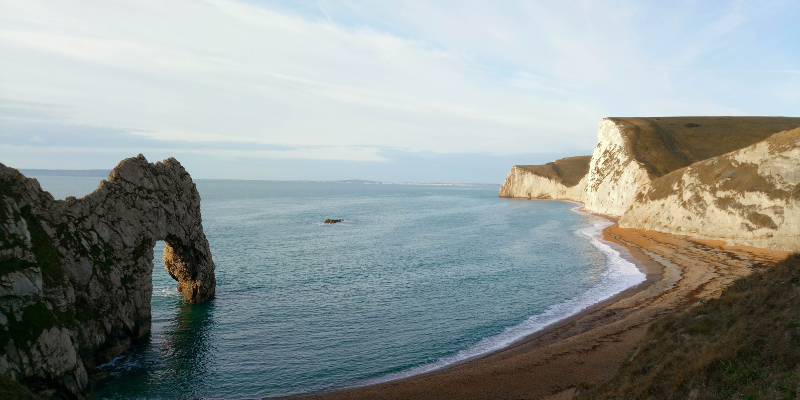
For those interested in capturing the movement of the waves and the evolving landscapes, it is essential to visit the location at different times of the year. During the winter season, the waves tend to be more intense and rough, whereas summertime often presents a calmer sea.
Aside from the dramatic landscapes, Durdle Door is also an ideal location for astrophotography. Due to its south coast position, the arch provides a perfect vantage point for photographing the Milky Way, visible generally between April and October. This becomes an exciting challenge for photographers, as they need to predict the position of the Milky Way and set up their cameras on the beach in advance.
Food and Other Services
Visitors to Durdle Door can enjoy a variety of food and drink options within the area. One of the main establishments is the Man O’ War Bar & Restaurant, located conveniently at the Durdle Door Holiday Park. This friendly bar and restaurant serves locally produced food and beverages at great prices, making it an ideal spot for those staying at the park or just passing through. Well-behaved dogs are also welcome, so furry friends can join in the fun.
For a quick bite or refreshments, Lulworth Castle Tearoom is open from Sunday to Thursday, 10:30 am until 4:30 pm. Offering a range of hot and cold drinks, cakes, snacks, and ice creams, the tearoom is a lovely place to relax and enjoy a treat. Visitors can also find Castle souvenirs to take home as mementos.
On sunny days, those looking for a cool dessert can head to Durdle Door Corner, where they can enjoy a refreshing slushie or a whippy ice cream. This spot is perfect to take a break after a walk up from Durdle Door.
For those planning a longer stay at Durdle Door, the Holiday Park provides several useful facilities, such as:
- A dish-washing area
- Chemical disposal
- Grey water disposal
- A newly renovated and clean shower block
- Laundry service wash available through reception
Accessibility and Safety
Visiting the marvellous Durdle Door is a fantastic experience, but it’s essential to be aware of the accessibility and safety aspects before planning a trip. Durdle Door Holiday Park, where this natural limestone arch is located, sits on gently sloping land above the South West Coast path. This park offers access to Man O’ War beach and the famous Durdle Door landmark. However, the path leading to the beach and landmark is quite steep with steps, which might pose challenges for those with mobility issues.
For those using a wheelchair, it is worth mentioning that the steep path and steps might make the journey to Durdle Door difficult. It is recommended to check the Lulworth Estate website for more information on accessibility options or contact them directly to discuss your individual needs.
When planning a trip to Durdle Door, it’s always wise to consult an Ordnance Survey map for detailed information about the area. These maps provide valuable details on nearby footpaths, landmarks, and elevations, helping visitors better prepare for their excursion.
It’s important to understand that the coastal path around Durdle Door, while picturesque, can be dangerous as well. Visitors should exercise caution and adhere to safety guidelines while exploring the area. Be mindful of the uneven terrain, slippery surfaces and potential for falling rocks. Appropriate footwear and a sensible approach to safety will ensure a memorable and enjoyable visit.
On the Beach
Durdle Door Beach is a truly picturesque place for visitors seeking the perfect seaside experience. The beach is famous for its unique limestone arch, a magnificent natural wonder formed over thousands of years by the force of waves against the headland. The beautiful aquamarine waters make it a popular destination for tourists and locals alike.
The beach itself is a mix of sand and shingle, which means you’ll find both smooth and rough stones scattered along the shoreline. Visitors should take care when walking along the shingle beach, as some areas might be slippery or have loose stones that may cause discomfort underfoot. It’s worth noting, however, that this lovely combination of textures only adds to the charm of Durdle Door.
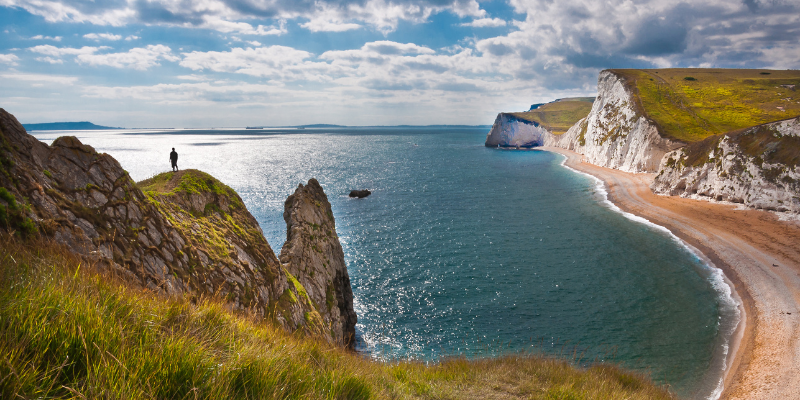
Swimming at Durdle Door Beach is a pleasure due to the clear, inviting water. Those who enjoy splashing about in the sea will find the water refreshing and possibly even energising. Of course, it’s important to take necessary precautions and follow posted signs, as currents and tides can occasionally be unpredictable.
Local Culture
The picturesque location of Durdle Door has been an inspiration for various creative works, such as music videos, films, and blogs, often showcasing the natural beauty of the area.
A vibrant music scene can be found nearby in West Lulworth, providing a delightful mix of genres and styles to entertain both locals and visitors. Live music events and festivals are a regular occurrence in this charming coastal village, allowing for an immersive experience of the area’s cultural offerings. It’s not uncommon for people to visit Durdle Door and then spend their evenings enjoying the lively local music scene.
If you prefer to explore the region at your own pace, there are excellent apps available that can guide you through the local points of interest, including walking trails and activities tailored to all ages. These apps often provide highlights of West Lulworth’s rich history, and help visitors get the most out of their trip.
Given Durdle Door’s popularity, it’s essential to be prepared for crowds, especially during peak season. Many people flock to the area for a chance to witness the astonishing natural arch and to take a dip in its pristine waters. However, it’s still possible to find quieter moments and secluded spots, such as the hidden beach right below the arch.
Visiting Durdle Door is not without its costs, but paying for certain attractions and activities is a way to support the local community and helps maintain this iconic spot for future generations. You’ll find a range of exciting experiences on offer, from guided tours to outdoor sports, and many local businesses rely on the support of tourists to thrive.
Frequently Asked Questions
How to get to Durdle Door from London?
To get to Durdle Door from London, you can either drive, take a train, or use a coach service. If you opt to drive, it will take around 2.5 to 3 hours depending on traffic. The train journey involves taking a train from London Waterloo to Wool station, which is the closest train station to Durdle Door. From Wool, you can take a taxi or local bus service to the destination. The journey should take approximately 3 hours.
What is the best time of year to visit Durdle Door?
The best time to visit Durdle Door is during the spring and summer months (May to September) when the weather is warmer, and the site offers stunning views. However, if you prefer fewer crowds, autumn also provides beautiful scenery and moderate temperatures.
Is there any accommodation near Durdle Door?
Yes, there is accommodation available near Durdle Door. You can choose to stay at the Durdle Door Holiday Park, which offers a variety of options, including holiday homes, camping pods, and caravan or camping pitches. There are also numerous hotels, bed and breakfasts, and holiday cottages in the surrounding areas.
What activities can I do at Durdle Door?
Visitors to Durdle Door can enjoy a range of activities such as swimming, walking, photography, and exploring the nearby Jurassic Coast, which is a UNESCO World Heritage Site. Additionally, the area offers opportunities for hiking along the South West Coast Path and visiting neighbouring sites such as Lulworth Cove and Man O’War beach.
Which films feature scenes at Durdle Door?
Durdle Door has been featured in several films and TV shows, most notably in the 1967 film adaptation of Thomas Hardy’s novel ‘Far from the Madding Crowd’ and the 1990 film ‘Nuns on the Run’. Its stunning natural beauty has made it a popular filming location.
Why is it called Durdle Door?
The name “Durdle” is derived from the Old English word ‘thirl’, meaning to pierce or bore through. This refers to the impressive limestone arch, formed by the erosion of the surrounding rock by the sea. “Door” is a reference to the arch itself, which resembles a doorway through the rock.